Archives
- 2026-11
- 2026-10
- 2026-09
- 2026-08
- 2026-07
- 2026-06
- 2026-05
- 2026-04
- 2026-03
- 2026-02
- 2026-01
- 2025-12
- 2025-11
- 2025-10
- 2025-09
- 2025-03
- 2025-02
- 2025-01
- 2024-12
- 2024-11
- 2024-10
- 2024-09
- 2024-08
- 2024-07
- 2024-06
- 2024-05
- 2024-04
- 2024-03
- 2024-02
- 2024-01
- 2023-12
- 2023-11
- 2023-10
- 2023-09
- 2023-08
- 2023-07
- 2023-06
- 2023-05
- 2023-04
- 2023-03
- 2023-02
- 2023-01
- 2022-12
- 2022-11
- 2022-10
- 2022-09
- 2022-08
- 2022-07
- 2022-06
- 2022-05
- 2022-04
- 2022-03
- 2022-02
- 2022-01
br Material and methods br Results br
2024-07-29
Material and methods Results Discussion Although we were not able to detect 12/15-LOX mRNA in the lungs of 12/15-LOX knockout mice substantial amounts of 15-HETE could be detected in BALF. In fact, significant synthesis of 15-HETE in 12/15-LOX mice have been already reported [17]. The redun
Endoxifen Unlike in humans hepatic expression of FGF increas
2024-07-29
Unlike in humans, hepatic expression of FGF21 increases in mice consuming KD and is a necessary mediator of the physiologic adaptations to the diet. FGF21 knockout (KO) mice gain, rather than lose weight on the diet [6]. FGF21 also activates BAT in part by increasing SNS drive [3,7]. In addition, th
Multiple ASD susceptibility genes converge on cellular pathw
2024-07-29
Multiple ASD susceptibility genes converge on cellular pathways that intersect at the postsynaptic site of glutamatergic synapses (Bourgeron, 2015; Peca & Feng, 2012), the development and maturation of synaptic contacts (Gilman et al., 2011) or synaptic transmission (Li et al., 2014). The majority o
NSAIDs induce gastrointestinal toxicity and evoke asthma by
2024-07-29
NSAIDs induce gastrointestinal toxicity and evoke luciferin by decreasing the production of gastroprotective prostanoids and by redirecting the COX substrate AA into LT biosynthesis, thereby causing vasoconstriction in gastric mucosa and airways (Celotti and Laufer, 2001; Koeberle and Werz, 2015; Ra
In earlier experiments on snails a behavioral model
2024-07-29
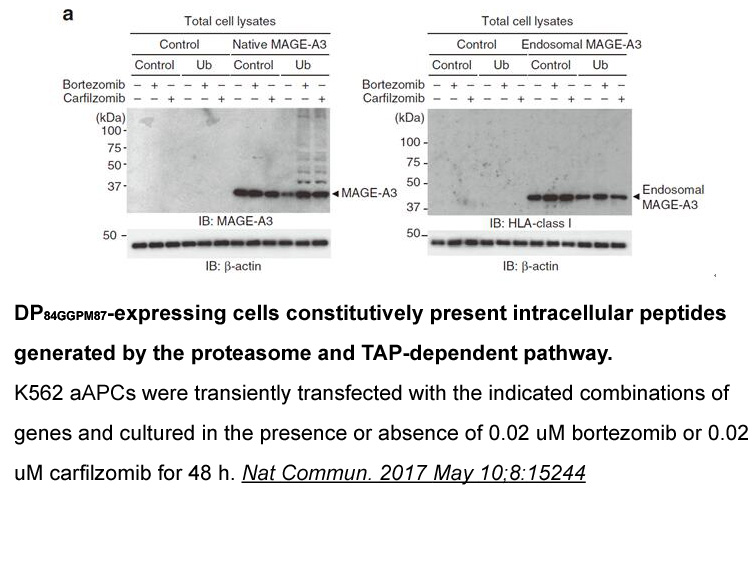
In earlier experiments on snails, a behavioral model was employed of certain food rejection to study the mechanisms of the reconsolidation of long-term associative memory. It was found that conditioned food stimuli (reminder) presentation, combined with injections of NMDA glutamate receptor antagoni
For both the hydroxylation and lyase reactions the
2024-07-29
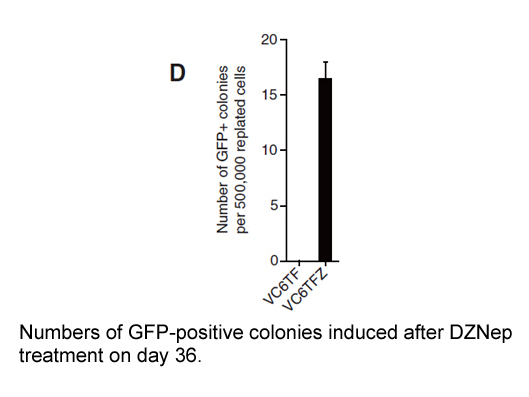
For both, the 17α-hydroxylation and 17, 20-lyase reactions, the heme iron center of P450 17A1 receives electron reducing equivalents from CPR. Both reactions require one pair of electrons and molecular oxygen for the conversion of the substrate into product in each catalytic cycle. However, the 17,2
Introduction Lysophosphatidic acid LPA is a key
2024-07-29
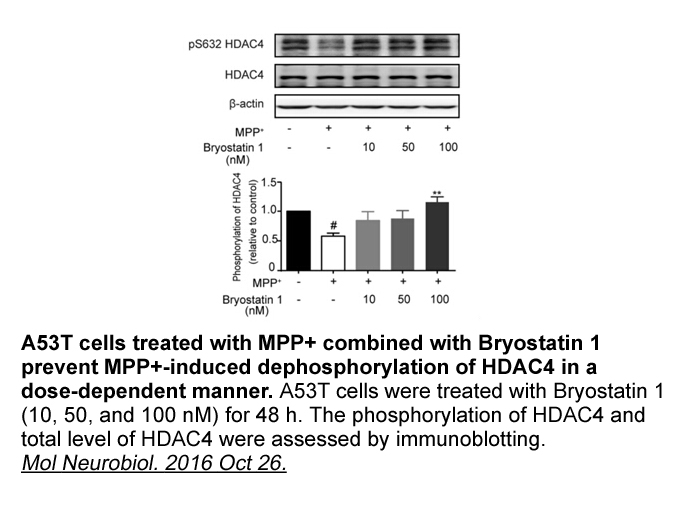
Introduction Lysophosphatidic Schaftoside mg (LPA) is a key, serum-borne phospholipid, regulating a number of cellular processes such as proliferation, migration and differentiation through its interaction with G-protein coupled receptors. LPA receptor signaling has been implicated in several disea
br The Molecular Machinery of Autophagy and Regulation by Sp
2024-07-29
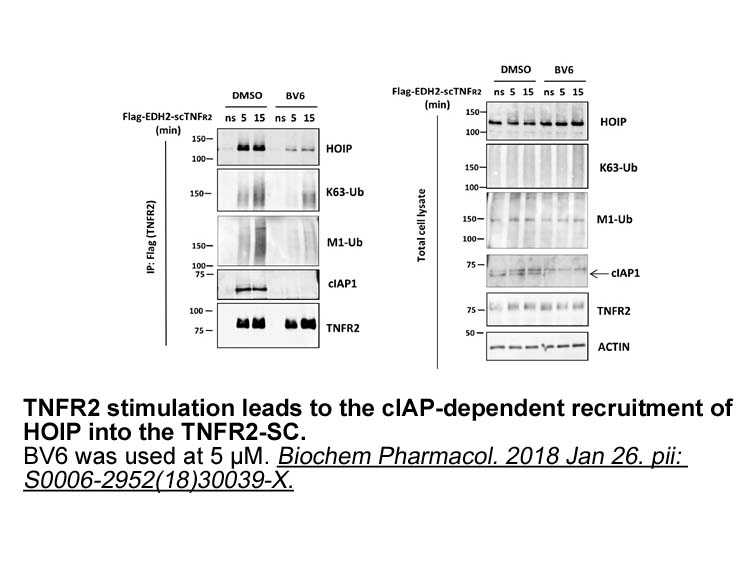
The Molecular Machinery of Autophagy and Regulation by Sphingolipids Sphingolipid-Mediated Autophagy in Cancer: Dr. Jekyll and Mr. Hyde Autophagy is an evolutionarily conserved stress response that typically promotes survival and antagonizes apoptosis. However, excessive autophagy was found to
br Acknowledgement This work was funded by NIH NINDS
2024-07-29
Acknowledgement This work was funded by NIH/NINDS grant number NS080967 to C. Waites. Introduction Macro-autophagy also called autophagy is a conserved pathway for the lysosomal degradation and recycling of intracellular materials. It is instrumental for the homeostasis of cells and tissues a
Oocytes from the African clawed frog Xenopus laevis have bee
2024-07-26
Oocytes from the African clawed frog Xenopus laevis have been widely used as an expression system to study the modulation of NMDA receptors by metabotropic receptors, such as metabotropic glutamate receptors [12], μ opioid receptors [13], insulin receptors [14] and serotonin receptors [15]. No data
For the TSH receptor signaling at the Golgi trans
2024-07-26
For the TSH receptor, signaling at the Golgi/trans-Golgi network appears required for both rapid effects of TSH − such as Efavirenz depolymerization, which is implicated in thyroglobulin reuptake and, thus, thyroid hormone release − and late ones, such as those on gene transcription. Continued sign
br Leptin Adiponectin a permissive imbalance Leptin a
2024-07-26
Leptin/Adiponectin: a permissive imbalance Leptin, a satiety hormone, is encoded by the obesity (ob) gene. It essentially functions as an energy sensor which is involved in the regulation of body weight by sending signals to the na inhibitor to reduce appetite (Woods and D'Alessio, 2008). Obesit
As the experimental procedure used could reflect agonist
2024-07-26
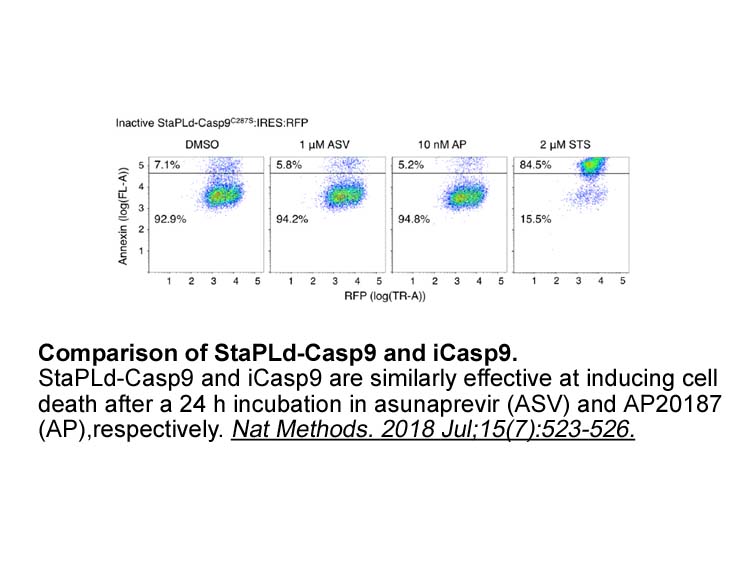
As the experimental procedure used could reflect agonist-stimulation of both anterograde and retrograde APJ trafficking, as has been described for the δ-opioid peptide receptor (Zhang et al., 2006b, Zhang et al., 2006a), receptor internalization was more directly monitored by loading cell surface HA
The role of circulating physiologic concentrations
2024-07-26
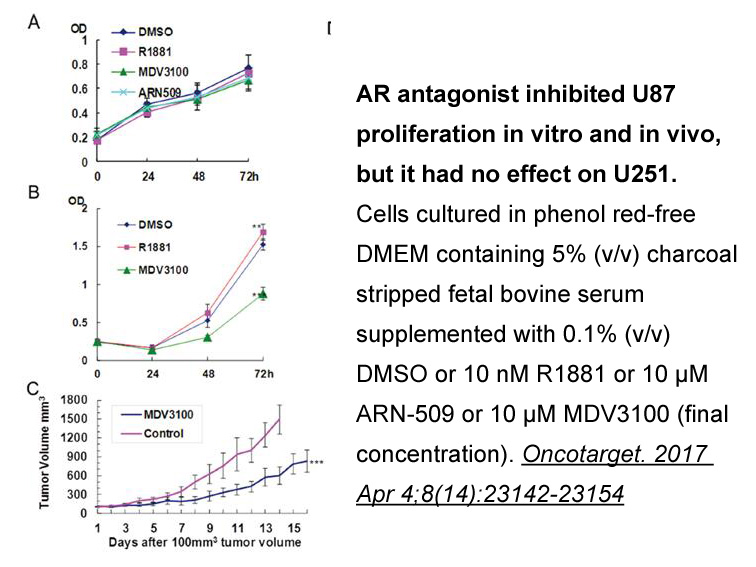
The role of circulating physiologic concentrations of FGF21 in glucose metabolism, however, remains unclear. Circulating FGF21 levels in obese and diabetic rodents, and in patients with type 2 diabetes are significantly higher than those in controls without diabetes [4], [5], [6]. On the other hand,
The disease stimulatory effects of hyperadiponectinemia in p
2024-07-26

The disease-stimulatory effects of hyperadiponectinemia in patients contradict a previous view based on studies of preclinical models showing that APN might be beneficial for AD [8]. Indeed, despite the action of APN as a risk factor in patients with AD, APN is protective against oxidative stress-in
8252 records 151/551 page Previous Next First page 上5页 151152153154155 下5页 Last page